IB21 Héritage 6 : The Trifora of the Lebanese House (II)
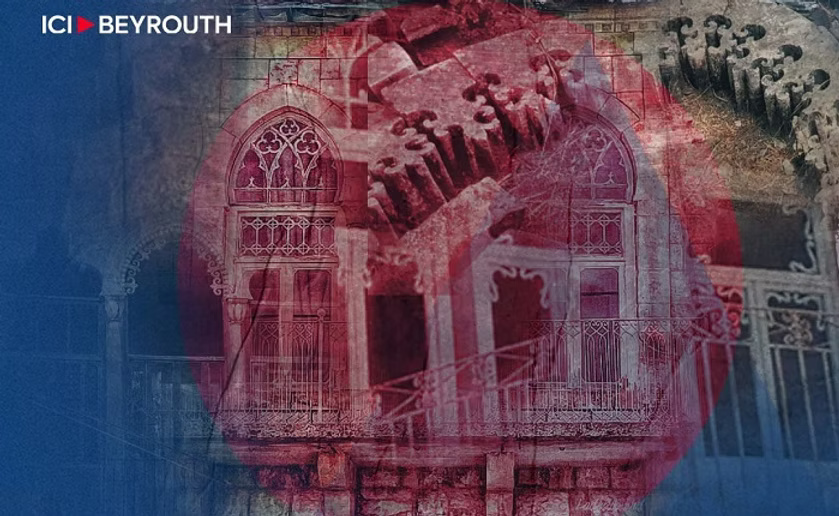
Soteriology in secular architecture
IB20 Héritage 5 The Trifora of the Lebanese House (I)
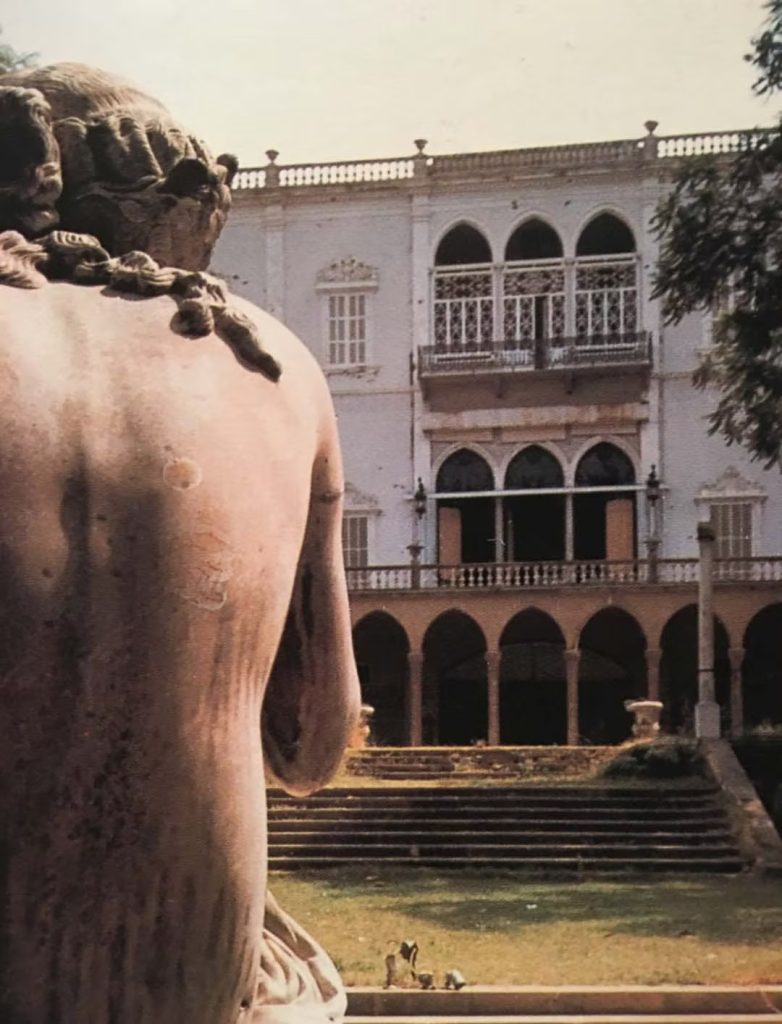
The Trifora, or triple bay, became emblematic of Lebanese architecture, and was used to adorn the Christian monuments of Phoenicia during the Byzantine period. It disappeared from the architectural landscape at the beginning of the Middle Ages to reappear later with the foundation of the Maronite College of Rome in 1584. That was the time […]
IB19Héritage 4 The Christic Cycle on the Facades of Maronite Churches
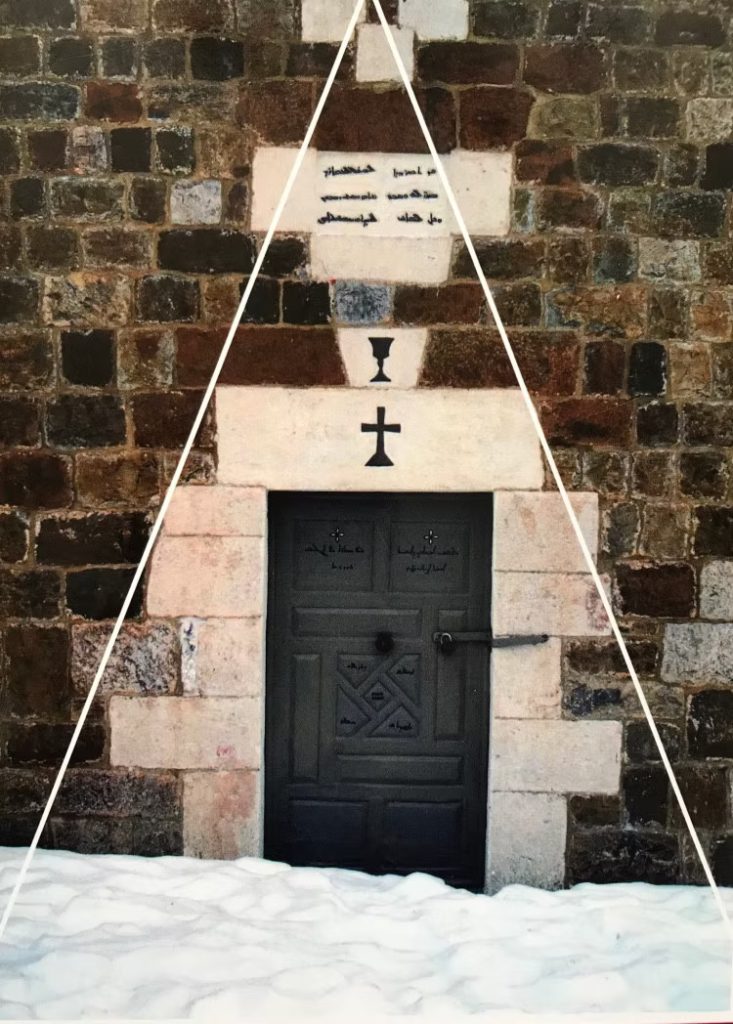
An approach about soteriology in Maronite sacred architecture
IB 18 Héritage 3 : Les Toponymes du Liban
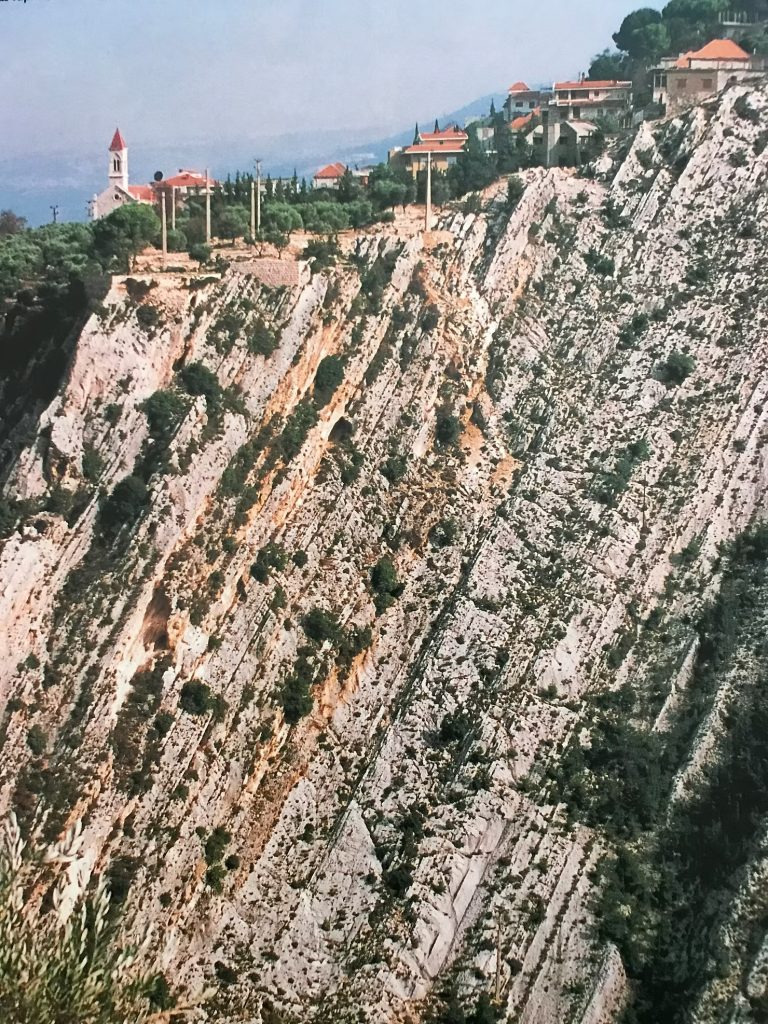
Anglais.Utiliser Google Translate. Nom syriaques des villes et villages….
IB17 Héritage 2 : A l’origine du parler libanais – Deuxième partie
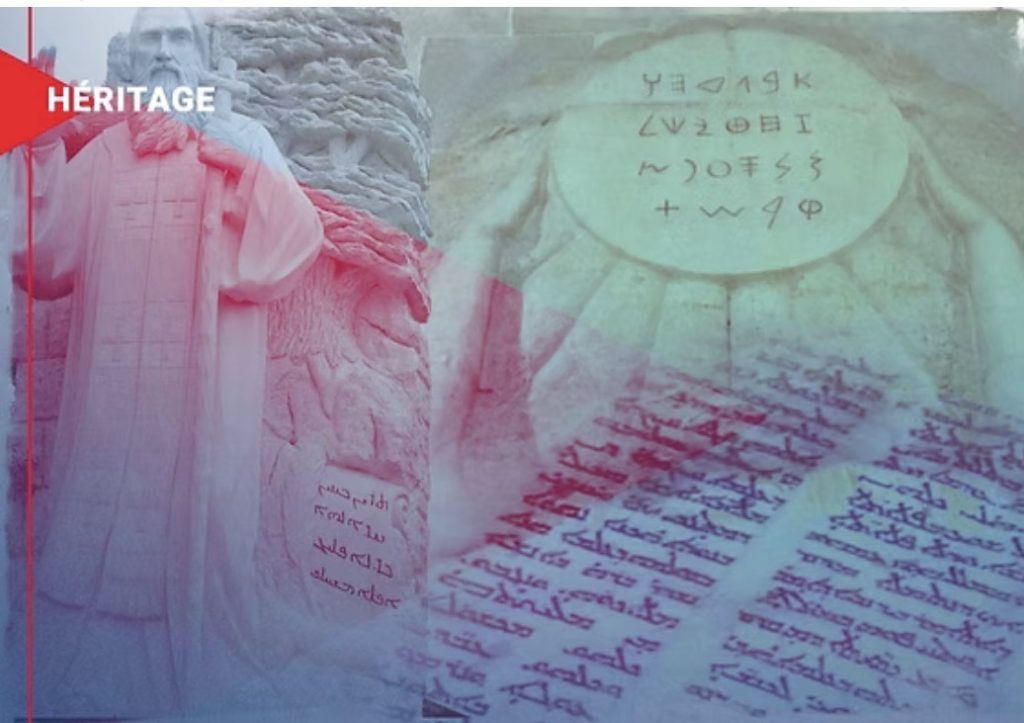
En anglais. A traduire par Google translate.
IB16 Héritage 1 : About the origin of the Lebanese language (I)
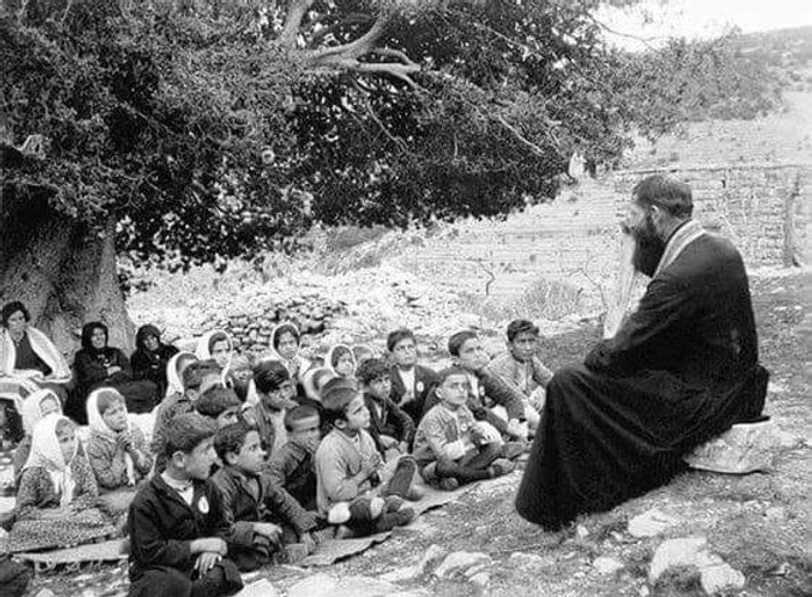
“The Lebanese have never spoken Ktovonoyo, but it was and is the liturgical language of the Syriac Maronite Church. This language was taught in their schools until 1943 and it is the only language they wrote and the one they still sing in the form of hymns. It is the language taught in schools that […]
IB15 Walid Phares submits “Free Region” Project to US Congress
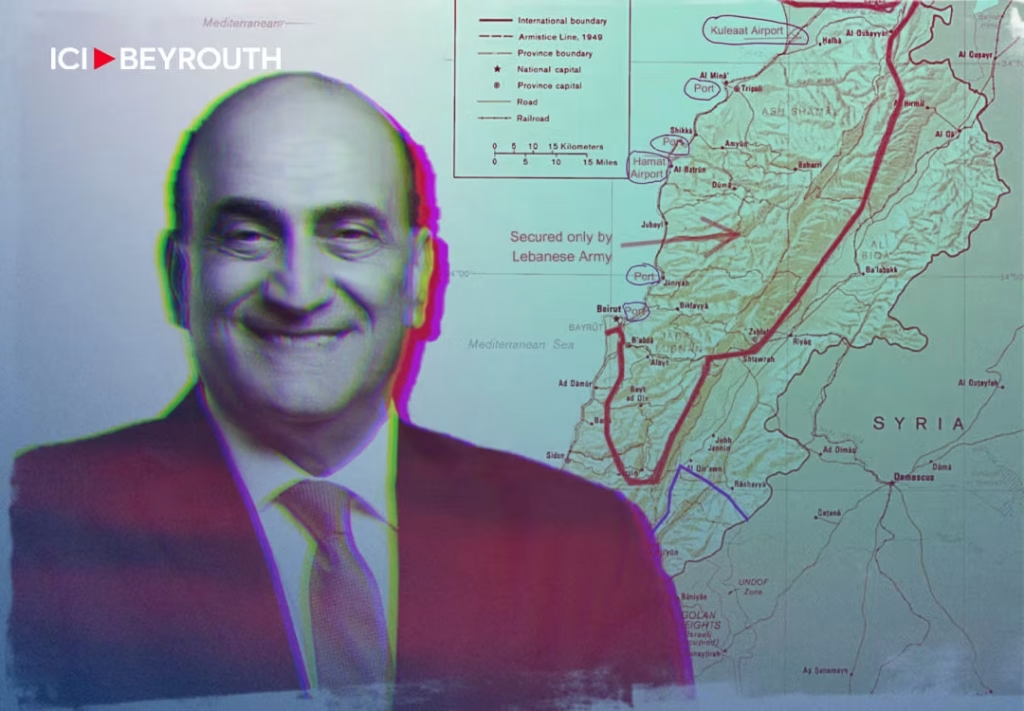
A draft partial implementation of UN Resolution 1559 called “Free Region” is currently being proposed by Walid Phares, one of the US Congress’ counter-terrorism advisers. Professor Phares also serves as secretary general of the transatlantic parliamentary group TAG. He outlines his plans to ICI Beyrouth, as well as the conditions necessary for its realization
IB 14 La demonización de la identidad

«El patriotismo es la pertenencia a una tierra, a una historia, a una cultura… y esto es la identidad»: Papa Francisco
IB13 El «Frente Soberanista» entrega su Hoja de Ruta de trabajo al Patriarca Rai
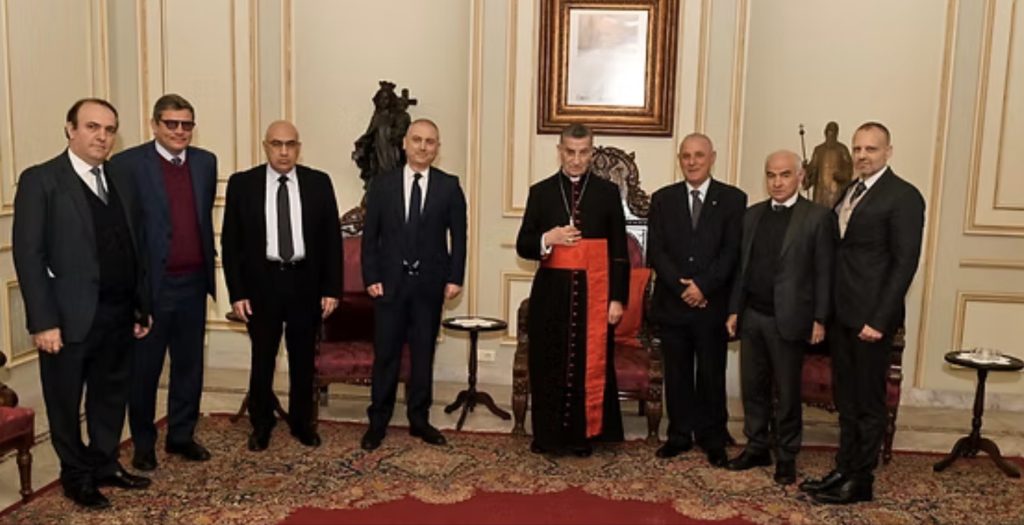
«Ya es hora de liberar la legalidad de las garras de la milicia»: Patriarca Bechara Rai
IB25 Héritage 8 : Pour une architecture des églises maronites contemporaines 2/2
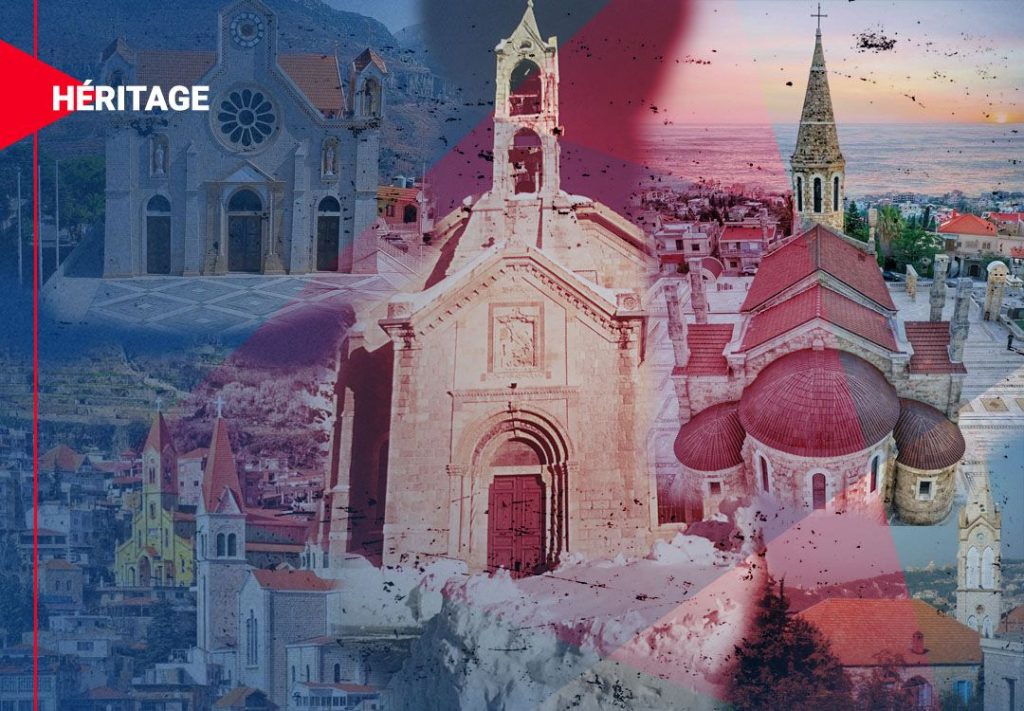
Lorsque le Liban connaît son essor économique et culturel sous le gouvernorat de la Montagne entre 1860 et 1914, c’est toute l’architecture libanaise qui se redéfinit. Dans le commerce entre le Mont-Liban et Lyon, à travers les ports de Beyrouth et de Marseille, de nouveaux matériaux et de nouvelles techniques sont introduits dans la Montagne. […]